English
 Tiếng Việt
 ไทย
ไทย Malay
Malay Indonesia
 Burmese
 ລາວ
ລາວ ជនជាតិខ្មែរ

In chemical production, chemical pumps serve as the core equipment for fluid transportation, running through the entire process from the feeding of raw materials to the output of finished products. Its performance directly affects production efficiency, product quality, and safety, making it the "heart equipment" of chemical production.
The core function of chemical pumps is to transport various corrosive, flammable, explosive, or high-temperature and high-pressure media, such as acids, alkalis, organic solvents, etc. Therefore, the material selection is crucial. Common materials for chemical pumps include stainless steel, fluoroplastics, ceramics, etc., which need to be matched according to the characteristics of the medium. For example, when transporting hydrochloric acid, the pump body and impeller need to be made of fluoroplastic alloy to resist chemical corrosion; When transporting high-temperature heat transfer oil, high-temperature resistant alloy steel should be selected to ensure stable operation of the equipment in high-temperature environments.
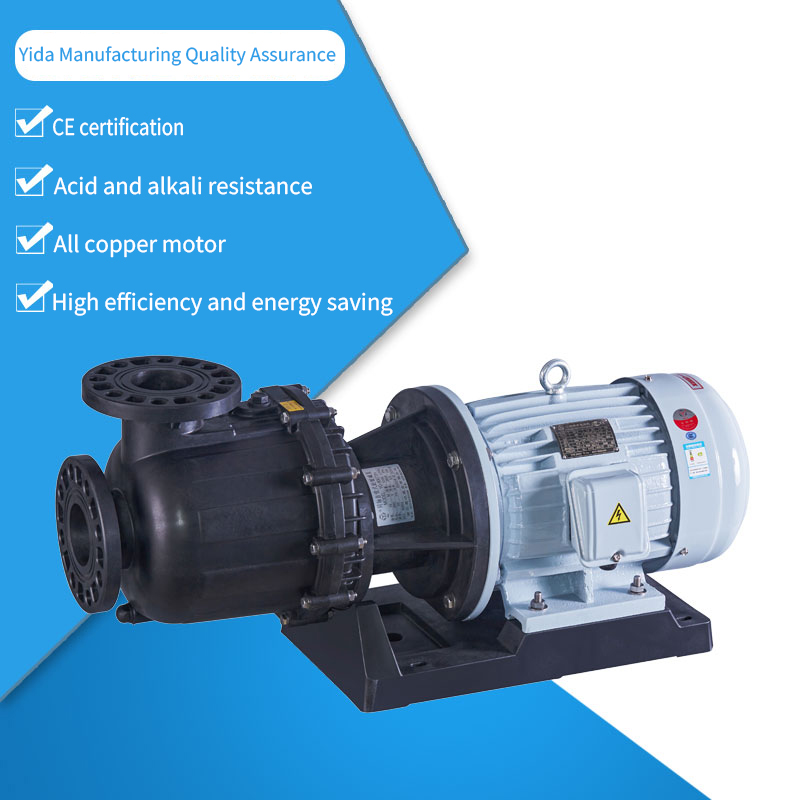
The design of chemical pumps needs to balance sealing and reliability. Traditional mechanical seals are prone to leakage due to medium corrosion or wear, while magnetic drive pumps and shielded pumps achieve zero leakage delivery through non-contact transmission technology, especially suitable for high-risk media. For example, in semiconductor manufacturing, magnetic pumps can safely transport high-purity chemical reagents, avoiding product contamination due to leaks; In the field of medicine, its leak free characteristics ensure the purity of drug delivery.
In addition, the efficiency and energy consumption of chemical pumps are also key indicators. By optimizing the impeller design and adopting variable frequency speed regulation technology, the energy consumption of the pump can be reduced and the operating efficiency can be improved. For example, variable frequency chemical pumps can automatically adjust the flow rate according to process requirements, avoiding the phenomenon of "big horses pulling small cars" and saving energy costs.
With the development of the chemical industry towards green and safe direction, the technological upgrade of chemical pumps is imperative. In the future, chemical pumps with corrosion resistance, high temperature resistance, and low energy consumption will become mainstream, providing more reliable power support for chemical production.